The short answer
For a Hungarian home and lifestyle range, begin with a specific customer problem and a manageable set of variants. Test the product, local sales information and delivery packaging together before committing to a broader collection.
For a Hungarian brand working with manufacturers in China, the first task is not to find a factory that promises to make anything. It is to turn the idea into a product brief that the right type of manufacturer can evaluate.
Validate a Hungarian customer need before choosing a range
Use your own enquiries, sales feedback and competitor-product reviews to identify a problem worth solving. Separate a hypothesis about a category from evidence that your particular product, price and delivery offer will sell.
For a first collection, define the intended Hungarian customer, sales channel and fulfilment route. Test a manageable range rather than relying on unsupported national e-commerce growth figures.
Start with a problem or a clear design purpose
Before asking a factory for a quotation, explain what the product is supposed to achieve.
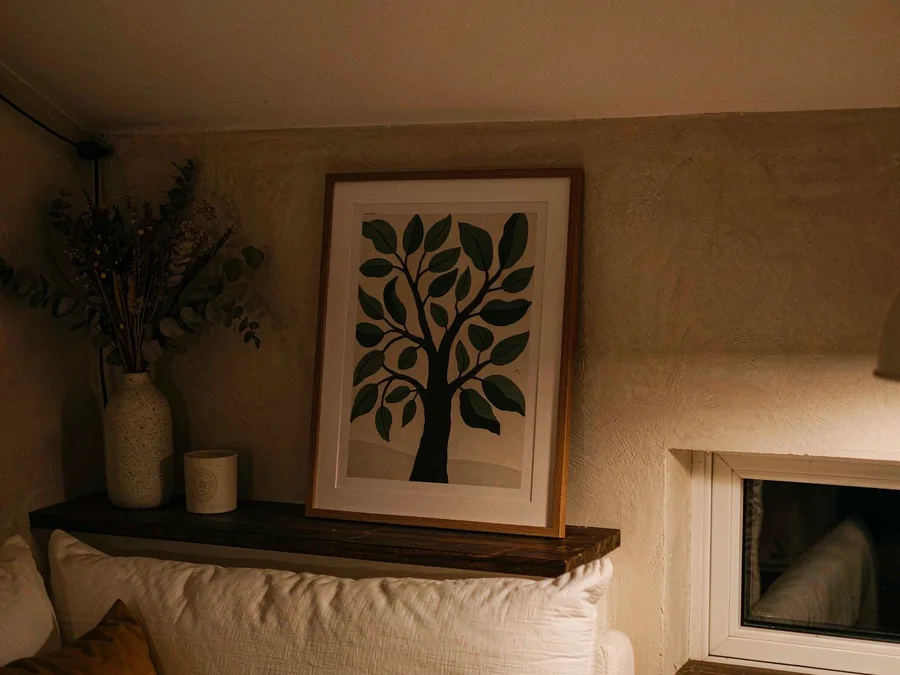
For a decorative lamp, describe its intended location, approximate dimensions, materials, lighting function and target selling price. For wall art, explain the substrate, printing expectations, frame, hanging arrangement and packaging. For a desk accessory, identify the objects it needs to hold and the dimensions that matter.
Do not worry if every technical detail is not yet decided. Instead, separate confirmed requirements from preferences and open questions. A supplier can then suggest alternatives without silently changing the product’s essential purpose.
Decide whether you need customization or actual development
There is a major difference between changing an existing product and developing a new one.
A standard lamp with a different finish may require limited customization. A lamp with an original structure, new electrical arrangement and dedicated components may require engineering, prototypes and testing. Similarly, adding artwork to an existing frame is different from developing a new modular wall-decoration system. [2]
Ask the supplier to identify which elements can use existing production methods and which require new work. Request a quotation for the simplest acceptable solution alongside a more customized version.
That comparison can help you decide where additional development spending would create genuine value.
Ask the right manufacturer the right questions
A product may involve several manufacturing specialties. A lamp can require metalwork, surface finishing, electrical assembly and packaging. A decorative object might combine wood, resin, glass or textile components.
Rather than asking one factory whether it can do everything, ask who will perform each process. Identify who will coordinate the work and who will be responsible for the finished product.
If the project involves several suppliers, establish one approved specification and a process for communicating changes. This is particularly important when components made by different factories must fit together.
Build a realistic sample process
A sample should answer a specific question.
An appearance sample may establish the product’s proportions and finish. A functional prototype may help evaluate stability, assembly or operation. A production-intent sample should be assessed against the materials and methods planned for the order.
Ask what the sample does not yet prove. For example, a 3D-printed model may demonstrate the shape of a product without proving that the intended production material will behave the same way.
Keep a written revision record. Do not approve production based on scattered messages such as “Make the last one a little darker.”
Understand the economics of 100 pieces
For some products, an initial quantity of approximately 100 units may be practical. For others, fixed development and tooling expenditure can make that quantity expensive.
Ask the supplier to separate one-time charges from recurring unit costs. Consider whether standard materials, existing components or fewer variations could reduce the initial investment. [2]
Do not assume that including tooling costs in the unit price makes those costs disappear. If the supplier proposes recovering tooling expenditure over future orders, clarify the quantity commitment and what happens if those orders do not occur.
A small first order should help you learn whether the product works commercially without creating unnecessary financial exposure.
Protect the design without making development impossible
You may need to share sketches, photographs and technical details. Start by deciding which information each supplier actually needs.
For confidential material, consider suitable agreements and controlled access to files. Document ownership and permitted use of newly created designs, editable files and physical tooling. [2]
If the product is based on another designer’s work, confirm that you have the necessary rights before asking a manufacturer to reproduce it. [2]
The objective is not to keep every detail secret from the people making the product. It is to share information for a defined purpose while maintaining clear rights and records. [2]
Plan for EU product requirements
Hungary is part of the European Union. Products sold there must meet applicable EU requirements, including the General Product Safety Regulation where relevant. [1]
Electrical products may require additional conformity assessment and documentation. CE marking is required only for products covered by legislation that mandates it. [1]
For a customized lamp, ask a qualified specialist to assess the finished configuration, not merely individual components. Determine what product information, warnings and documentation must accompany the goods.
These requirements should influence the design before the main production order, not be treated as an afterthought.
Design packaging for the intended delivery channel
If you plan to sell online, consider the final customer’s delivery experience.
A decorative object may need protection against scratches. A framed print may need edge protection. A lamp may need internal support to prevent movement.
Ask the supplier for a complete packing sample. Check packed dimensions and weight before relying on a shipping estimate.
If parcel lockers are part of your distribution plan, confirm the limits of the actual delivery service rather than designing around an assumed universal size. Packaging should protect the product and fit the business model.
Use the first order to prepare for repeat production
Keep the approved drawings, materials, finish references, sample records and packaging specifications. Agree on inspection criteria before production. Require approval for material or component substitutions.
When the goods arrive, review defects, damage, customer feedback and actual cost. If the product performs well, you can reorder against a known specification. If it needs improvement, the records help identify what to change.
The first batch should not only create inventory. It should create reliable information for the next decision.
How WOW can help
WOW supports custom-product sourcing and manufacturing coordination in China. For a Hungarian brand, the process can begin with an idea, reference photographs or an existing product you want to improve—see WOW’s OEM & ODM development service.
WOW can help clarify the brief, identify suitable manufacturing routes, coordinate samples and organize production requirements across relevant suppliers. Where a project involves several materials or factories, clear communication and one controlled product specification become especially important.
The first objective is to find out what can realistically be manufactured, what still needs development and what the buyer must approve before committing to production. That is a more useful starting point than a promise that every product idea can be made immediately.
Questions buyers ask
How should a Hungarian brand start a small home range?
Define one customer need, a focused set of variants and a realistic first-order budget. Test the product and packaging before broadening the collection.
Should Hungarian delivery packaging be designed before production?
Yes. Confirm the chosen fulfilment route, parcel limits and product protection, then assess an assembled packed sample. Do not assume every courier or locker uses the same limits.
Sources and references
Official guidance and primary references relevant to this article. Check the current product scope and destination requirements before making a purchasing decision.
Plan your next step
Share the product, quantities, intended use and destination. WOW can help scope sourcing, samples and the production enquiry.
Explore the relevant service Start your project