The short answer
Guangdong's toy and model manufacturing ecosystem supports custom collectible figures, display models and miniature scenes — from 3D design and part splitting to resin casting, painting and packaging, with adult collectibles treated as a distinct market from children's toys.
Guangdong's toy industry is also a model and collectibles industry
Guangdong hosts several toy, plastic products and model manufacturing clusters. Shantou's Chenghai district is the best-known toy manufacturing base; regional industry research from the Faxiangongchang library groups Chenghai toys, Shenzhen eyewear and watches, and Heshan bags into the province's multi-pole manufacturing map.
For overseas buyers, the interesting extension of this industry is its manufacturing connection to models, collectibles, character products and display figures.
One distinction has to be made up front:
- Children's toys center on safety, age-appropriate design, materials and regulation.
- Adult collectibles and display models center on sculpt fidelity, detail, materials, paintwork, limited-edition attributes and the collecting experience.
The two markets carry different product standards, design goals and compliance requirements.
What a collectible model goes through before it ships
A collectible model is not a printed picture. From concept to finished goods it typically passes:
1. Character or product concept design 2. 3D model creation 3. Structural splitting into parts 4. Sample printing or machining 5. Surface sanding and preparation 6. Color and paint scheme approval 7. Assembly 8. Packaging design 9. Batch production and quality inspection
The 3D model is the foundation. If proportions, structure or part-splitting are wrong, even high-precision production cannot rescue the final result.
Which materials suit which models?
Resin
Resin is the standard for detail-driven collectible figures, art ornaments, miniature decorations and display models. Resin types and casting methods differ, and so do final strength, surface quality and durability.
ABS and other plastics
Plastics suit structural parts, functional models and products destined for larger batches. Items with articulation, snap fits or assembly structures require additional structural and material validation.
Metal
Metal serves display bases, connectors, decorative parts and structural components, weighed against product weight, cost and appearance requirements.
3D printing materials
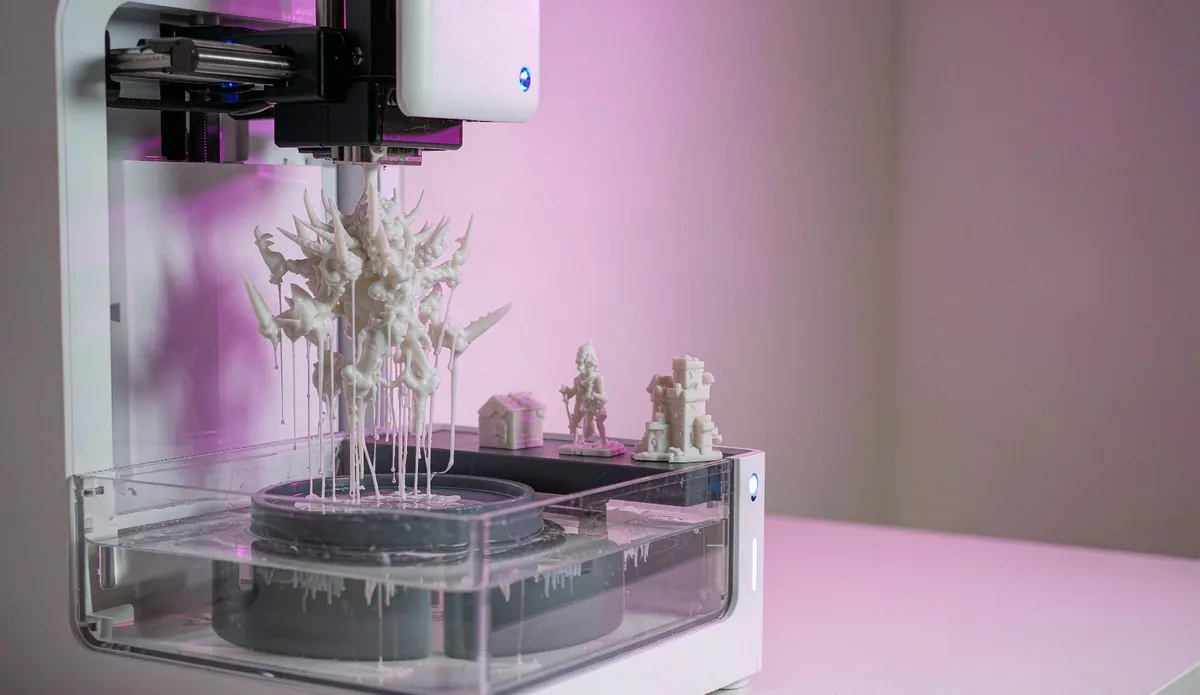
3D printing covers model prototypes, structure validation and some small-batch products. SLA suits detail-rich appearance samples; FDM suits early structure checks; SLS and MJF handle complex structures and functional samples. Selection depends on size, surface quality, material performance and post-processing.
Why 3D design carries so much weight
A model's appearance may start from an image, but an image cannot express three-dimensional structure.
A car model needs decisions on body proportions, wheels, chassis, glass, lights and interior. A character model needs body proportions, pose, clothing, facial detail and support structure. An architectural model involves walls, windows, roofs, terrain and base.
If the client holds only reference images and no 3D files, the first question is whether design work is part of the project — and then:
- Model size
- Level of detail
- Whether parts must be split
- Whether articulation is required
- Whether it will be painted
- Whether a base is included
- Whether collector packaging is needed
Each answer moves the development cost and timeline.
Where the commercial value of collectibles comes from
A collectible is not a normal product with a higher price. Its value typically comes from:
- Design uniqueness: a clear visual signature
- Character recognition: buyers can identify the character, brand or theme
- Manufacturing quality: detail, surface, paintwork and assembly meet the target standard
- Series development: one theme extends across sizes, poses or versions
- Packaging and display: box and base reinforce the collecting experience
For a brand, developing a series is worth more long-term than a single figure — but series work also demands consistent management of size, material, color and version.
From one model to a full product line
Suppose an overseas designer has an original character to commercialize. Three tiers work well:
- Base tier: smaller size, simpler structure, ideal for market validation
- Display tier: larger size, added base and detail, fuller presentation
- Collector tier: special materials, limited colors, numbering or special packaging
One original character then serves different price points and scenarios. Limited numbering, however, must rest on a real release plan — it is a production commitment, not marketing copy.
WOW's models and collectibles services
WOW's models and collectibles directions include:
- Character figures
- Art sculptures
- Adult collectible figures
- Architectural models
- Vehicle models
- Display models
- Resin ornaments
- Miniature scenes
Projects can draw on 3D modeling, 3D printing, resin casting, plastic molding, surface finishing and packaging solutions.
For clients holding only images or concepts, model design, part splitting and engineering files must be confirmed first. WOW does not treat a photo as a production-ready model file — 3D structure, materials, dimensions and quality requirements are settled before manufacturing starts.
If you are a designer, brand creator or collectibles developer, send WOW character images, reference models or 3D files to discuss the path from concept to physical product.
Explore models & collectibles | Development services